









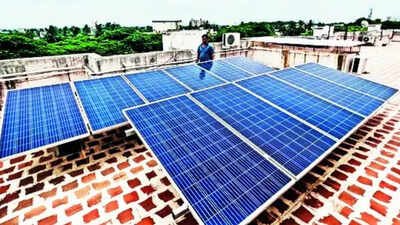
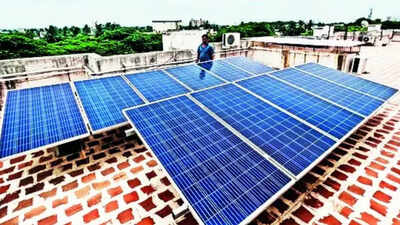
NEW DELHI: As the number of households installing rooftop solar (RTS) systems under the PM Surya Ghar scheme rises and renewable energy capacity increases, govt has decided to track how much electricity these systems are actually generating, with inverter makers required to share daily generation data with the national portal.The move could give govt, for the first time, a system to monitor the performance of individual RTS installations rather than merely track the capacity added under the scheme.Under new guidelines issued by the ministry of new and renewable energy, inverter manufacturers will have to provide daily cumulative generation data through an API to the national portal, mapped to the device’s serial number. The guidelines also require applications, monitoring and control servers and cloud-hosted data linked to inverter systems to be located in India.The data could help govt assess how much electricity rooftop systems are actually generating and identify under-performing installations. It could also allow generation to be analysed across states and power distribution companies (discoms), providing a clearer picture of the energy benefits being delivered by the scheme.A govt-appointed Expert Committee on Energy Statistics also flagged the absence of comprehensive data on electricity generated and consumed by decentralised renewable energy systems in a recent report. Currently, more than 44 lakh RTS systems have been installed under the PM Surya Ghar Muft Bijli Yojana (PMSGMBY), benefiting over 52 lakh households and adding 15.6 GW of solar capacity.The committee noted that electricity generated by rooftop solar systems is often consumed at the premises and does not pass through the grid, leaving it outside conventional electricity supply statistics. It said generation, export and self-consumption data from rooftop systems are not uniformly recorded or aggregated by discoms and recommended mandatory collection and reporting of such data to improve the accuracy of India’s electricity statistics.“Electricity generated from many of these systems is already metered. However, these meter readings are either not visible to the discoms or, even if they are visible, the readings are not recorded systematically and reported,” the committee said.Alekhya Datta, director, electricity and renewables division, TERI, said national-level centralised monitoring of electricity generation from rooftop solar systems would have multiple benefits. “If electricity distribution companies have data on electricity generated by rooftop solar plants (behind the meter) in their respective areas and the units consumed by consumers, they will be able to plan their power purchases accordingly,” Datta said.
Share your thoughts in the comments
Be respectful · TOI community guidelines
“The amount of electricity generated by RTS plants will also give an indication of the quality of the system, and this attribute can be used in a vendor rating system as well as help improve operations and maintenance. Consumers, too, will get a sense of satisfaction from knowing their contribution to the environment.”Though the ministry has asked all inverter companies to share daily generation data, Datta said only around 15 per cent of inverters currently have the capability to share it through APIs. The govt is also yet to create an integrated dashboard where the data can be collated.

✍️ Vikrant Kharwar
Vikrant Kharwar is the Founder and Editor of News Us Media. He writes about trending news, sports, entertainment, technology, and viral stories. His goal is to make news simple, informative, and easy to understand for readers across the United States and around the world.