






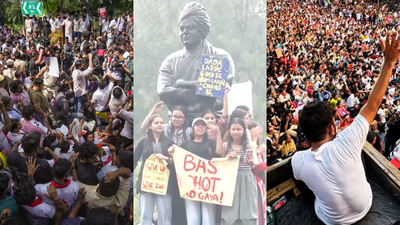
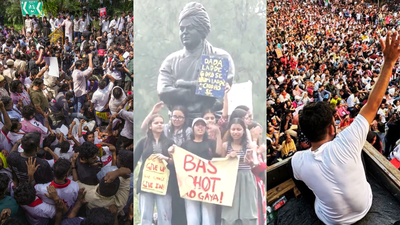
NEW DELHI: India’s politics has rarely been confined to Parliament, party offices or election rallies. The streets have always had a part to play.Mahatma Gandhi turned marches, boycotts and satyagraha into instruments of mass politics during the freedom struggle. Decades later, Jayaprakash Narayan’s movement drew students and citizens onto the streets against the Indira Gandhi government.Anna Hazare’s anti-corruption protests filled Jantar Mantar and Ramlila Maidan in 2011. The anti-CAA protests saw prolonged sit-ins, while farmers camped at Delhi’s borders for more than a year before the three farm laws were repealed.Street politics, then, is hardly new. But the new waveWhat is changing are the tools used to build, spread and sustain a protest.That familiar form of politics appears to be moving back into the foreground, with a fresh wave of protests building on the streets around us.
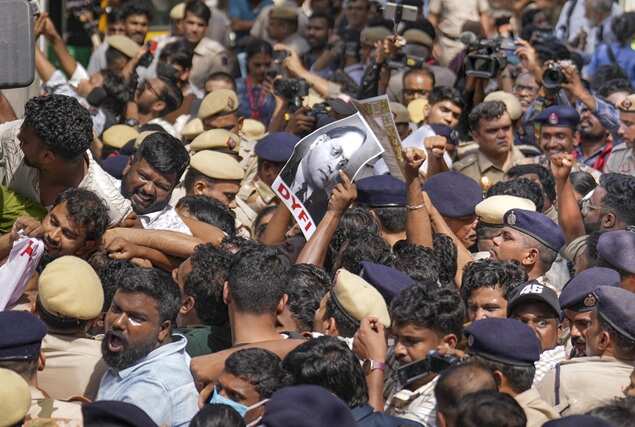
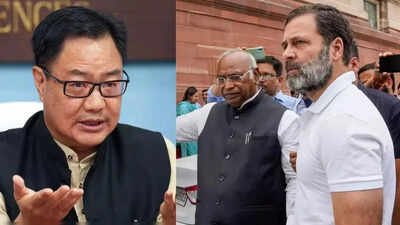
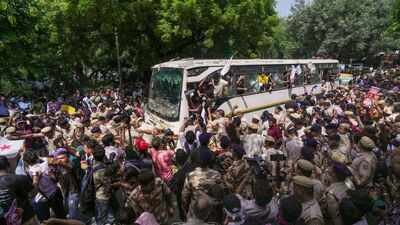
Protest against CEC over SIR process in Delhi
Gandhi Jayanti becomes a rallying point
October 2 every year is a solemn occasion to remember and revere Mahatma Gandhi, but this year Gandhi Jayanti became a rallying point for several protests across the country. Political parties and civil society groups jostled to grab attention as the day marked a series of protests.At the centre of the most visible protests has been Chief Election Commissioner Gyanesh Kumar, who faces allegations from opposition parties and protesters over irregularities in the Special Intensive Revision (SIR) of electoral rolls and claims of “vote chori”. The Election Commission has rejected all allegations of wrongdoing.In Mumbai, CJP’s Abhijeet Dipke led a massive protest against Gyanesh Kumar, warning of a “Jantar Mantar 2.0” from October 10 if the CEC did not resign by then. In Delhi, several parties and student unions staged protests near Jantar Mantar against the poll body demanding CEC’s removal.
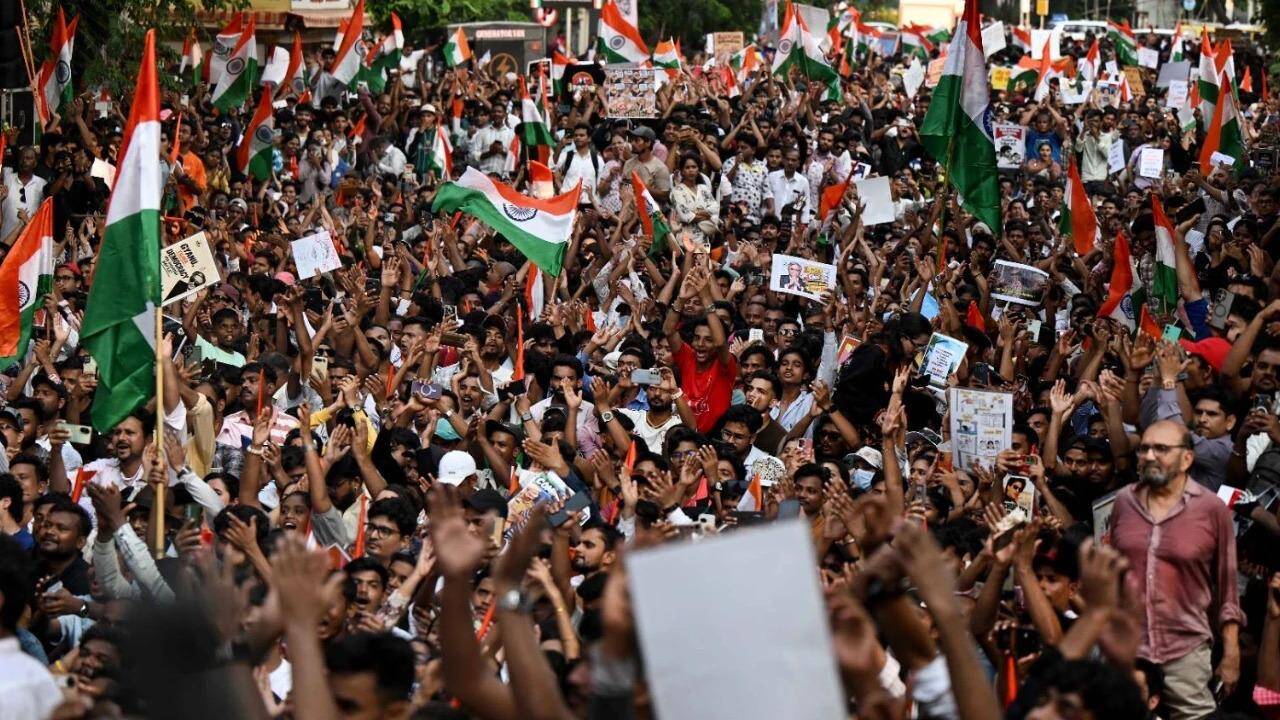
A protest led by Cockroach Janta Party against CEC Gyanesh Kumar in Mumbai’s Shivaji Park
From NEET to SIR, the youth take to the streets
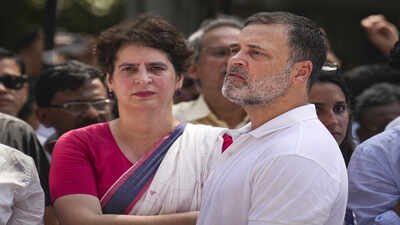
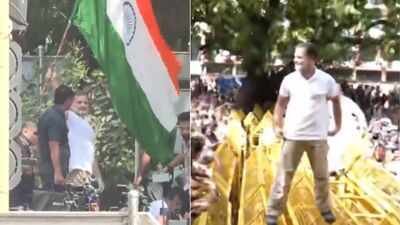
What stands out in this round of protests is not just the issues being raised, but who is often raising them first.On questions ranging from examinations to electoral rolls, youth have managed to create pressure outside the usual party machinery. Interestingly, political parties have increasingly found themselves responding to an issue they did not start.So, have the youth and students shown political parties the way back to street mobilisation? The events surrounding the NEET protests earlier this year is a case in point.As students protested over the paper leak, Jantar Mantar became the centre of an agitation that continued for weeks. The Cockroach Janta Party (CJP) emerged as one of the pressure groups leading the agitation and eventually ensuring the resignation of Union education minister Dharmendra Pradhan.Many political parties, which initially stood on the sidelines, jostled to join the agitation and eventually took to the streets. On July 21, Rahul Gandhi, Priyanka Gandhi Vadra, Mallikarjun Kharge and other opposition leaders staged a sit-in outside Prime Minister Narendra Modi’s residence over the police action against students protesting the NEET paper leak.And now, Rahul Gandhi has made a more direct attempt to enter that space.On October 4, he launched the ‘Satyagraha’ portal, which seeks to map protests across the country and connect people agitating over different issues.He referred specifically to Gen Z, students, farmers, Adivasis, Dalits and women, saying many groups were fighting their battles separately and that the platform would attempt to bring those struggles together. For the Congress, the portal offers a way to identify and engage with agitations that may have begun outside the party’s own organisational structure.
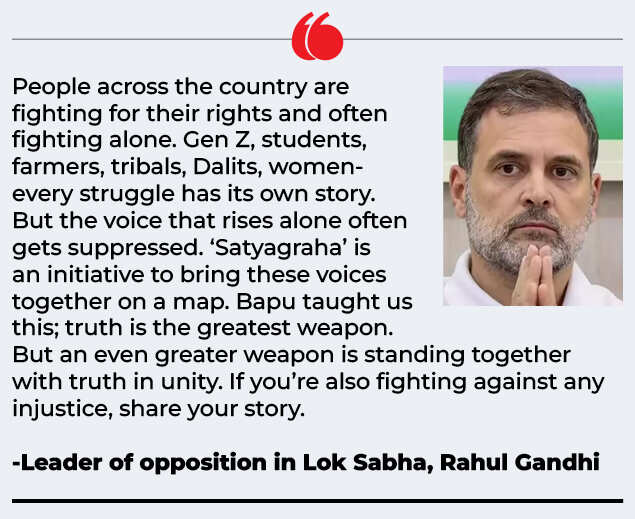
Rahul launches portal to map protests
Whether this helps Congress connect with such protesters remains an open question.But the high-decibel protests against Gyanesh Kumar or against the NEET earlier this year are just one part of the story, perhaps the more visible one. The truth is that peaceful protests have been an integral part of our democracy for ages. The civil society and pressure groups across the country have successfully used protests to vent their anger and to pile pressure on the government of the day.We have seen several mobilisation programmes, many of them successful, from time to time.
Beyond Jantar Mantar: The protests away from the spotlight
Across the country, protests are unfolding over very different issues: women’s safety, land, displacement, water, facilities in schools and local governance. Most have no connection with one another, but together they show how the streets remain an integral tool for protests.In Delhi, young women have marched over women’s safety after cases of sexual violence. Demonstrations have also spread to cities including Mumbai, Kolkata, Bengaluru, Ahmedabad, Patna and Dehradun, with protesters demanding safer public spaces and greater accountability from governments and police.
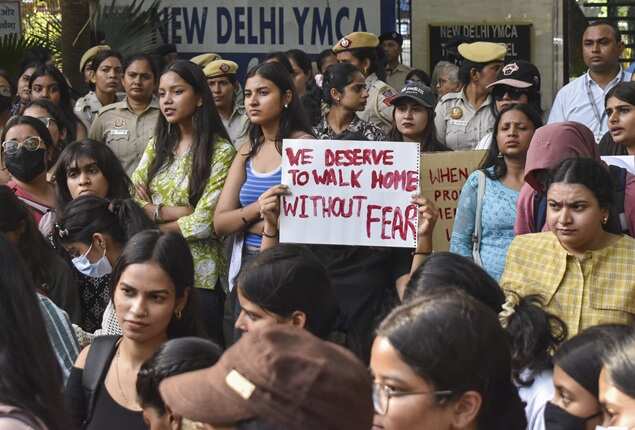
Protest on women’s safety in Delhi
At Ambedkar University Delhi, students have been on an indefinite sit-in over campus facilities and university rules, including access to classrooms and common spaces, PhD attendance requirements and restrictions governing protests on campus. The university has said it remains in dialogue with students and that security measures were necessary to maintain normal functioning.In Madhya Pradesh’s Panna district, families affected by the Ken-Betwa river-linking project have revived their “Chita Andolan”. Protesters have lain on funeral pyres, stood in water and gone on hunger strike over compensation and rehabilitation. The government has disputed allegations that eligible families have been denied support and has defended the project for the irrigation and drinking-water benefits it is expected to bring to Bundelkhand.
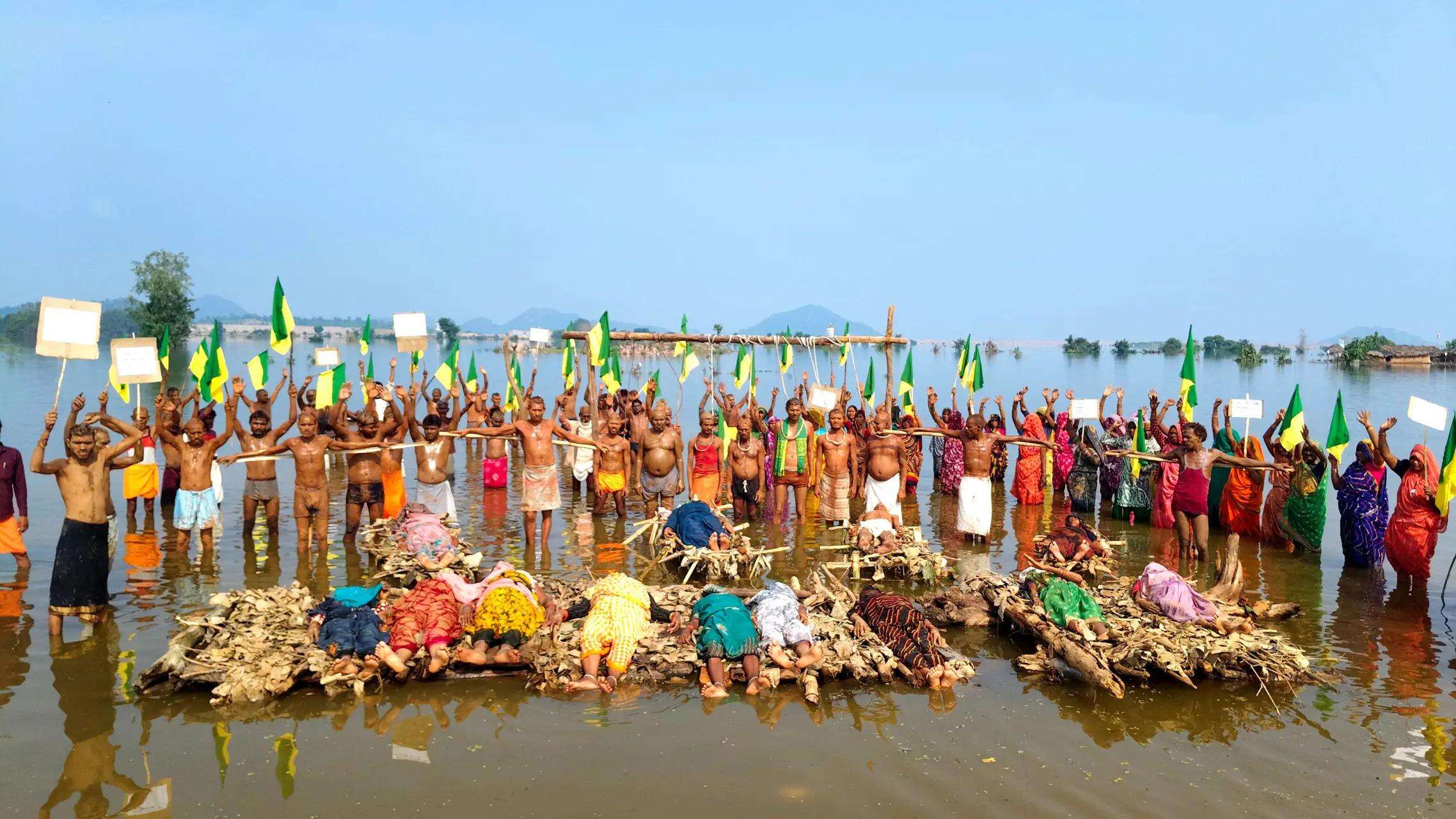
‘Chita Andolan’ in Madhya Pradesh
In Maharashtra’s Maval, farmers opposing the Pavana closed pipeline project announced a ‘jal samadhi’ agitation while also demanding rehabilitation for families that surrendered land for the Pavana dam decades ago. The proposed pipeline is meant to carry water directly from the dam to Pimpri-Chinchwad, while protesters argue that long-pending rehabilitation issues must first be addressed.Water has also brought farmers onto the streets in Karnataka, where organisations in Krishna basin districts have opposed releasing reservoir water to Telangana, arguing that drought-hit areas within Karnataka should be given priority. Their protests have delayed the promised release of water and added another layer to an already politically sensitive inter-state dispute.At IIT Bombay too, students have turned their protest over the death by suicide of student Sahil Wakode into a hunger strike, with the JNU Students’ Union joining calls for action on the demands raised by protesters.
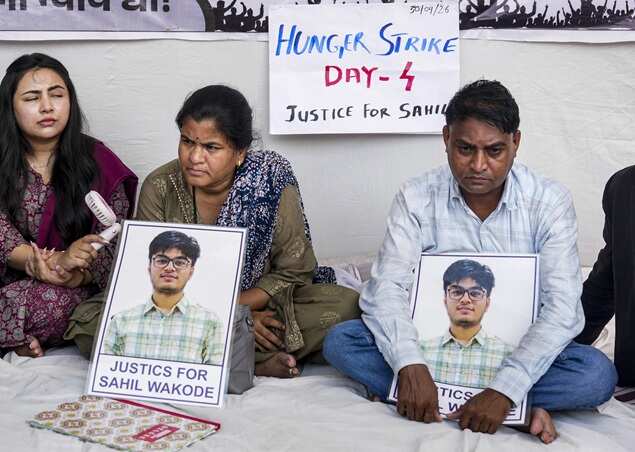
Parents of IIT Bombay student Sahil Wakode, who allegedly died by suicide, stage a protest in Mumbai.
The scale and demands vary sharply. Some protests involve thousands; others are confined to a university campus or a few villages or even few streets for that matter. Some are directed at the Centre, others at state governments, local administrations or institutions.And increasingly, many of them are choosing the street to make themselves heard.
The street is old, tools are changing
Street politics may be old, but the way people are being mobilised has changed.Earlier movements depended heavily on student organisations, unions, public meetings and, later, television coverage. Today, a protest can begin on Instagram or X before it reaches Jantar Mantar.Social media has also changed the language of protest. A slogan shouted on the street can become a meme within hours. Humour, posters and one-liners travel online, while catchy chants are turned into songs and reels that carry the message far beyond the protest site.That has been particularly visible in youth-led protests. Gen Z has brought its own language, humour and internet culture to the street, making people pay attention.And Gen Z may not be the youngest generation learning to protest.In Uttar Pradesh, schoolchildren, many from Gen Alpha, have taken to the streets over basic issues such as teacher shortages, drinking water, electricity and poor roads. In Lucknow, around 200 schoolgirls blocked a road in the rain over a shortage of teachers and a damaged road leading to their school. In Fatehpur, around 1,000 students staged a four-hour protest demanding drinking water and repairs to classrooms.
Share your thoughts in the comments
Be respectful · TOI community guidelines
In several cases, authorities acted after the protests.These are small, local protests and cannot be compared with large political movements. But they show how easily the idea of taking a grievance to the street is being picked up by a younger generation.The slogans may now become memes, the chants may turn into songs and the mobilisation may begin on a phone screen. But eventually, the demand is still carried to the same place it has been for generations: the street.More than a century after Gandhi made public mobilisation a powerful political tool, the technology has changed. The basic idea has not: when people believe they are not being heard, they make themselves visible.

✍️ Vikrant Kharwar
Vikrant Kharwar is the Founder and Editor of News Us Media. He writes about trending news, sports, entertainment, technology, and viral stories. His goal is to make news simple, informative, and easy to understand for readers across the United States and around the world.