









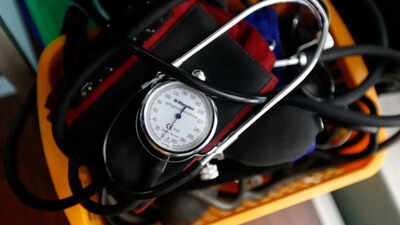
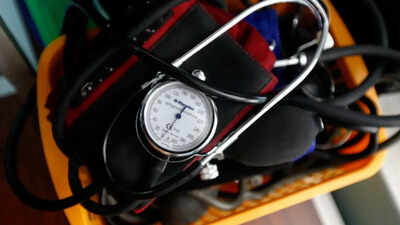
NEW DELHI: Patients in India could get faster access to some newer medical devices already approved in the European Union, with the government expanding its list of trusted foreign regulatory jurisdictions while also easing licensing requirements for manufacturers outsourcing sterilisation.The Health Ministry has amended the Medical Devices Rules, 2017 to include the European Union among jurisdictions recognised for waiver of clinical investigation requirements for eligible medical devices that do not have a predicate device in India. The list earlier included the US, UK, Australia, Canada and Japan.The change means eligible devices that have already received regulatory approval in the EU can potentially avoid a fresh clinical investigation in India, reducing the time and regulatory steps required before they can be made available to patients. The waiver remains subject to the conditions prescribed under the rules.The government said the move would reduce regulatory timelines for manufacturers and importers and facilitate faster availability of advanced medical technologies in India. The addition of the EU also brings India’s medical-device regulatory framework closer to international regulatory practices.Separately, manufacturers outsourcing sterilisation to a facility with a valid licence will no longer need a separate loan licence, reducing paperwork, compliance costs and delays. However, they will still have to print the sterilisation facility’s licence number on the device label, with six months to comply. The labelling requirement had drawn industry concerns over added compliance burden and possible export delays.
Share your thoughts in the comments
Be respectful · TOI community guidelines
The government has also introduced a standard fee schedule for testing and evaluation of medical devices. The new charges include Rs 5,000 for implantation tests, Rs 2,000 for sterility testing, Rs 1,000 for syringes and needles and Rs 3,000 for surgical sutures. Testing fees for condoms and intrauterine devices have been fixed at Rs 2,500 each.For tests not specified in the schedule, the charges will be decided by the concerned laboratory or medical device testing officer. The prescribed fees will automatically rise by 5% annually.The three changes are aimed at cutting regulatory duplication, making compliance costs more predictable and speeding up access to medical devices while retaining requirements for quality, safety and traceability. The sterilisation and testing-fee amendments were notified as the Medical Devices (Second Amendment) Rules, 2026.

✍️ Vikrant Kharwar
Vikrant Kharwar is the Founder and Editor of News Us Media. He writes about trending news, sports, entertainment, technology, and viral stories. His goal is to make news simple, informative, and easy to understand for readers across the United States and around the world.