









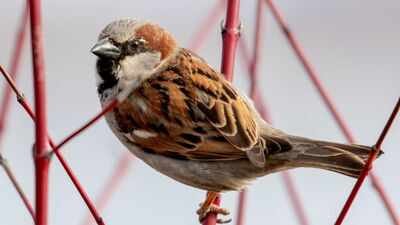
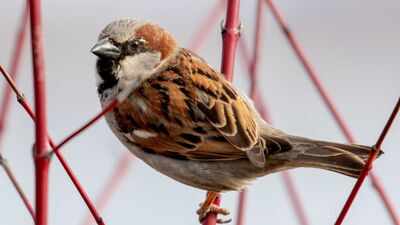
The house sparrow was brought to New Zealand in 1867 to help farmers deal with crop-eating insects, but the small bird soon became a problem of its own. Within a few years, while it grew in numbers, it also began damaging crops, leading farmers and authorities to turn against the species.Introduce familiar European birds to New Zealand was not uncommon. According to government encyclopedia Teara, European settlers brought many bird species to the country. Both because they missed the birds they knew from Britain and because they hoped some of them would help agriculture. In all, 130 bird species were brought to New Zealand, with 41 eventually establishing wild populations.The Canterbury Acclimatisation Society liberated 40 sparrows in 1867. The birds were expected to help control agricultural pests, particularly insects that were damaging crops. But sparrows did not remain focused on insects. While they fed their young on caterpillars, beetles, flies and spiders during their first week after hatching, they were more interested in grains and fruit at other times.That made the bird a serious concern for farmers. Sparrows damaged wheat, barley and maize crops, and their ability to breed rapidly meant their numbers could rise quickly. The same qualities that made them attractive as a possible pest-control species eventually made them difficult to control.
Introduction of foreign birds
The introduction of birds gathered pace as farming expanded across New Zealand. By the early 1850s, moths, caterpillars, beetles and grasshoppers had become major problems in agricultural areas. Some insect outbreaks were so large that they disrupted normal activity.Native birds did eat insects, but their ability to control pests in farmland was limited. They generally foraged in agricultural areas when nearby bush provided suitable habitat. As more land was cleared for farming, the bush edge was pushed back and native birds had even less influence on farmland pest populations.Farmers therefore looked towards birds from Europe. Species such as blackbirds, thrushes, starlings, sparrows and magpies were introduced in the hope that they would eat insects and reduce crop damage.From the 1860s, acclimatisation societies began organising these introductions more systematically. They selected birds partly for their ability to survive in New Zealand and reproduce in large numbers. Some societies also wanted birds that could eat insects during summer but switch to other food, such as seeds or grain, during winter.
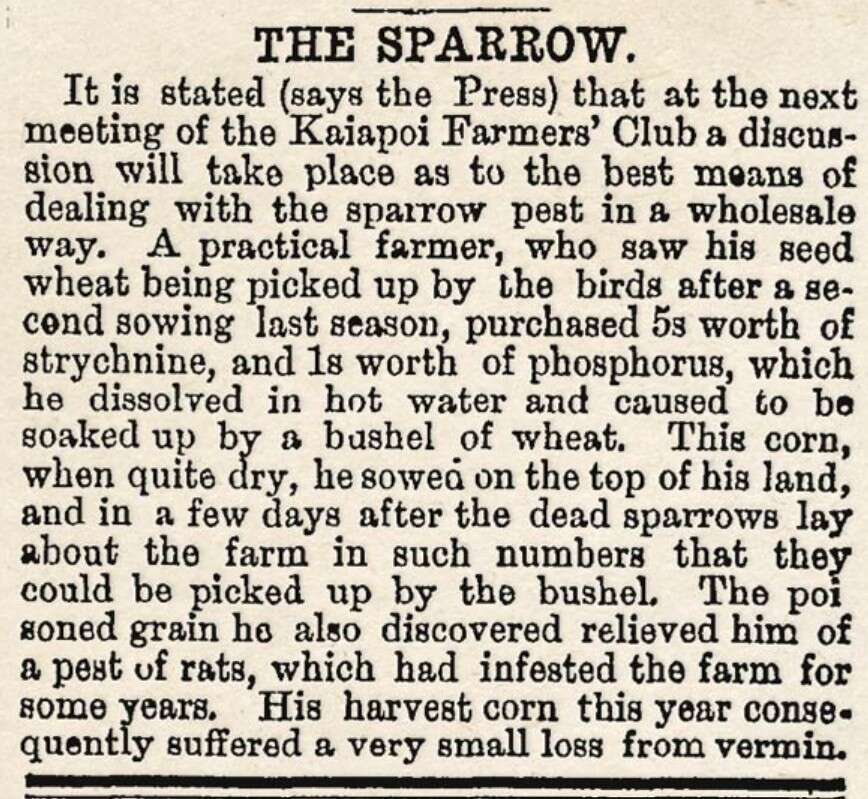
Sparrows’ rapid rise led to organised efforts to control them. (Picture: Teara)
The sparrow boom
As few as 100 house sparrows were liberated in New Zealand between 1866 and 1871, while the Canterbury Acclimatisation Society released 40 in 1867.Their breeding success was high. Te Ara says this was probably helped by abundant food, little competition, a mild climate and few predators at the time. The birds were also highly effective breeders.Early observers noticed that female sparrows could lay another clutch of eggs while their previous young were still in the nest. The young birds apparently helped incubate the eggs.Naturalist Thomas Kirk highlighted the potential scale of this growth in 1878. He calculated that one pair of house sparrows could theoretically produce a population of 322,000 within five years.
A new pest emerges
The introduction of the house sparrow was intended to reduce insect pests, but the birds themselves began to be seen as a threat to agriculture. The problem was not limited to sparrows, however. Other introduced small birds also multiplied and damaged crops.Within 15 years of their introduction, there was a coordinated effort to control small European birds. Sparrow clubs were formed in the 1880s to reduce what was described as the ‘sparrow plague’. The clubs were modelled on similar organisations established in England from the 1850s.The methods included poisoned grain, shooting and financial rewards for collecting sparrow eggs. Bounties were also offered for eggs and heads of small introduced birds. The system encouraged children to collect sparrow eggs, with small boys gathering hundreds of thousands of them.

✍️ Vikrant Kharwar
Vikrant Kharwar is the Founder and Editor of News Us Media. He writes about trending news, sports, entertainment, technology, and viral stories. His goal is to make news simple, informative, and easy to understand for readers across the United States and around the world.