










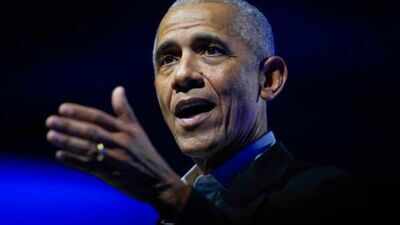
Barack Obama‘s words draw a genuinely sharp line between simply saying we believe in something, and actually standing by that belief once doing so becomes genuinely difficult. “If we aren’t willing to pay a price for our values, if we aren’t willing to make some sacrifices in order to realize them, then we should ask ourselves whether we truly believe in them at all,” he wrote in his 2006 book, The Audacity of Hope: Thoughts on Reclaiming the American Dream. The line is often shared today with the middle clause quietly trimmed away, but the fuller version captures his actual point more precisely, that genuine values are properly tested not when following them is convenient, but specifically when doing so genuinely requires courage, sacrifice, or a difficult choice you would rather avoid making entirely. The quote sits within a longer chapter of his book dealing with faith, values and the kind of political common ground that becomes possible once people are actually honest about what they truly believe.
Quote of the day by Barack Obama
“If we aren’t willing to pay a price for our values, if we aren’t willing to make some sacrifices in order to realize them, then we should ask ourselves whether we truly believe in them at all”
The quote suggests that our own values only really become meaningful the moment we are willing to accept some genuine consequence for actually following them. Supporting an idea is genuinely easy when there is nothing real at stake in doing so. The real test arrives once standing by that belief could actually cost you time, money, comfort, popularity, or a genuine opportunity you would otherwise have had. If a principle gets abandoned the instant it becomes even slightly inconvenient, the quote is really asking whether that principle was ever truly important to you in the first place, or simply something pleasant to say out loud when it cost nothing at all.
Why our real values tend to get tested during the genuinely difficult moments
Values are rarely properly tested when everything around us is going smoothly. A person might believe strongly in honesty right up until telling the truth could actually cause them real trouble. Someone might value fairness right up until being fair means genuinely giving up an advantage they would otherwise keep. Difficult situations, in this sense, reveal which principles someone is actually prepared to defend when it counts, rather than which ones simply sound admirable in the abstract. None of this means every single belief demands unlimited sacrifice from anyone. It simply means that genuine conviction usually involves at least some real willingness to accept a bit of discomfort along the way.
The real difference between a genuine value and a simple preference
A preference is really just something we happen to like. A value is something we consider genuinely important enough to actually shape our own behaviour around. Someone might prefer avoiding conflict entirely, for instance, while still valuing honesty enough to actually have a genuinely difficult conversation when the moment genuinely calls for it. That distinction becomes considerably clearer the moment two priorities actually collide with each other. If a person keeps repeatedly choosing pure convenience over a principle they claim matters deeply to them, their own actions eventually reveal that the principle was never quite as important as they had claimed it to be.
What “paying a price” actually looks like in practice
The real “price” here rarely needs to mean anything particularly dramatic. It can be genuinely small and entirely personal instead. It might simply mean speaking up at a moment when staying quiet would have been considerably easier, refusing to take part in something you genuinely believe is wrong, admitting a mistake honestly, or choosing a harder path purely because it actually matches your own stated principles. Sometimes the whole price really amounts to nothing more than plain discomfort. The important point running through all of this is that real values can genuinely require actual action, even at moments when that action is genuinely inconvenient.
Why real integrity actually requires consistency over time
Integrity is often described as the alignment between what someone genuinely believes, what they actually say out loud, and what they actually do when it matters. If those three things consistently point in noticeably different directions, a person’s stated values start to lose real credibility fairly quickly. Living according to your own principles was never really about achieving perfection either. People make genuine mistakes, and sometimes fail to fully live up to their own standards, which is simply part of being human. What actually matters more is recognising that gap honestly, and genuinely trying to close it afterwards.
Why standing by your own values can genuinely feel so difficult
Social pressure has a real way of making it genuinely difficult to hold onto a personal conviction. People naturally want real acceptance from friends, colleagues and the wider world around them, and going against the group can feel genuinely uncomfortable, particularly when everyone else in the room appears to already agree with each other. Having genuine values, though, means accepting that there will sometimes be real moments where doing what you actually believe is right makes you genuinely unpopular with the people around you. That specific moment, uncomfortable as it is, is really where conviction actually starts to mean something.
How to actually live according to your own stated values
Start by genuinely identifying which principles actually matter to you, rather than which ones simply sound impressive when said aloud. Ask honestly whether your own actions genuinely reflect what you claim to value, and accept that doing the right thing is rarely going to be the easiest available option in the moment. Be genuinely honest with yourself about the times convenience has quietly shaped a decision more than principle actually did, and accept that some choices genuinely involve giving up a real advantage or facing real criticism as a direct result. Falling short of your own values does not mean you cannot simply try again either, and consistent behaviour, over time, tends to reflect real values far more clearly than words alone ever manage to.
Other famous quotes by Barack Obama
- “Change will not come if we wait for some other person, or if we wait for some other time. We are the ones we’ve been waiting for. We are the change that we seek.”
- “Focusing your life solely on making a buck shows a poverty of ambition. It asks too little of yourself.”
- “
Justice is not only the absence of oppression, it is the presence of opportunity.” - “Making your mark on the world is hard. If it were easy, everybody would do it.”
Why this message is as relevant as ever
It is genuinely easy to describe ourselves through the values we simply claim to hold. The considerably harder task is actually letting those values shape real decisions the moment doing so comes with a genuine cost attached. Honesty, fairness, courage and compassion can all sound genuinely admirable when discussed purely in theory. Their real significance only actually emerges once practising them becomes genuinely difficult in the moment. Obama’s quote really offers a fairly straightforward test of conviction in the end, what are you actually willing to give up in order to remain genuinely true to what you claim to believe. If a principle only ever seems to matter when it happens to be convenient, it may really be little more than a simple preference dressed up as something deeper. Genuine values reveal themselves through the actual choices people make, specifically at the moments when standing by them genuinely comes at a real price.

✍️ Vikrant Kharwar
Vikrant Kharwar is the Founder and Editor of News Us Media. He writes about trending news, sports, entertainment, technology, and viral stories. His goal is to make news simple, informative, and easy to understand for readers across the United States and around the world.